How it works

How co-packing works, from quote to first run.

Performance Co-Packing packs tree nuts, dried fruit and snack products under its customers’ brands in Hughson, California, and every program follows the same six steps.

Three terms

What a co-packer does.

  1. Co-packer

    Packs and labels food under a brand’s own name, on the packer’s lines. Some only pack; others also source, season and blend.

  2. Co-manufacturer

    Makes the product from raw ingredients, then packs it. Many plants do some of each.

  3. Private label

    A product made to a brand’s or retailer’s specifications and sold under that name.

    What runs in the plant

Quote to shipment

The six steps.

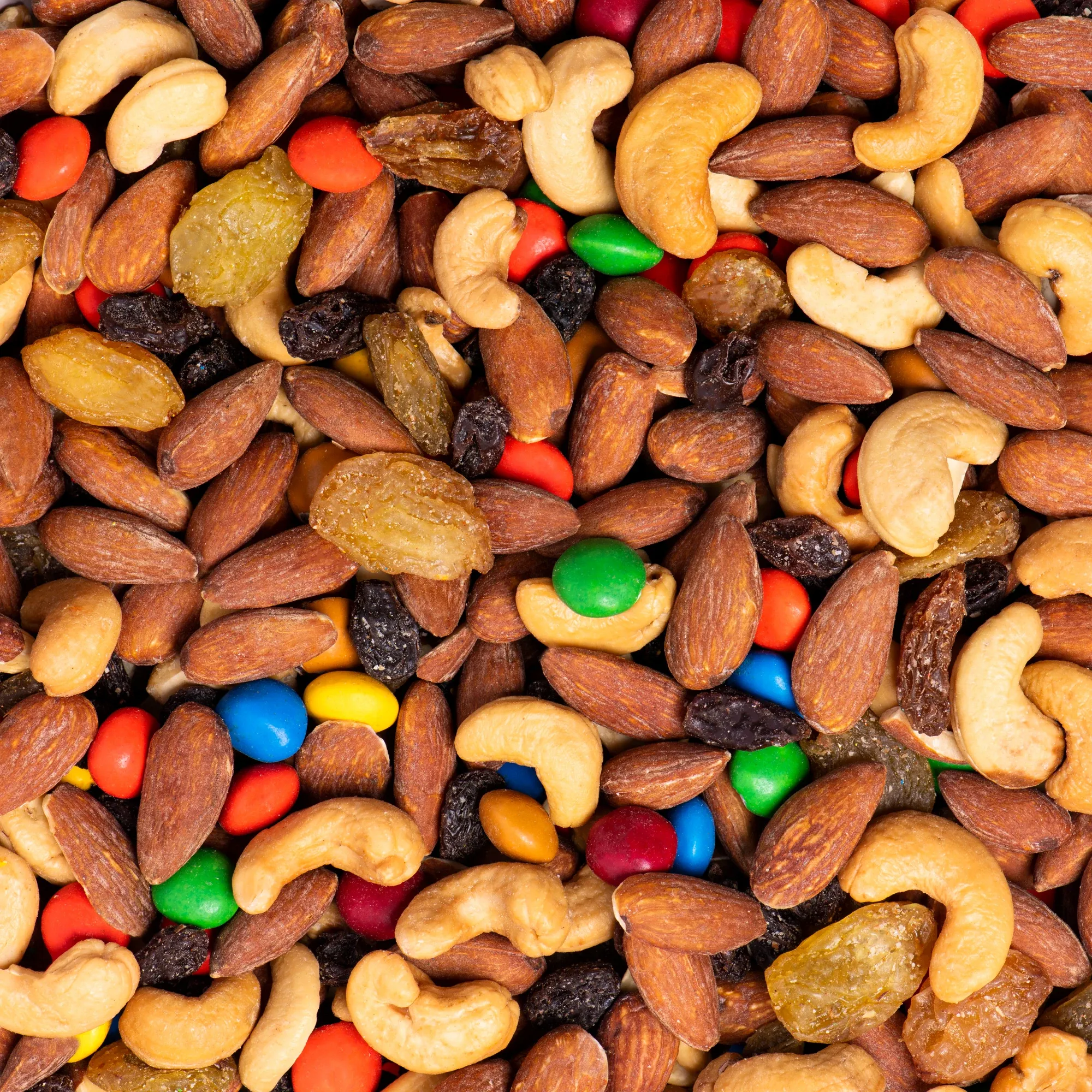
  1. Trail mix of almonds, cashews, raisins and candy pieces, close up

    01

    Quote

    Send your product, pack format, pouch size, annual volume and target timing in one form. A link to your current product or label helps.

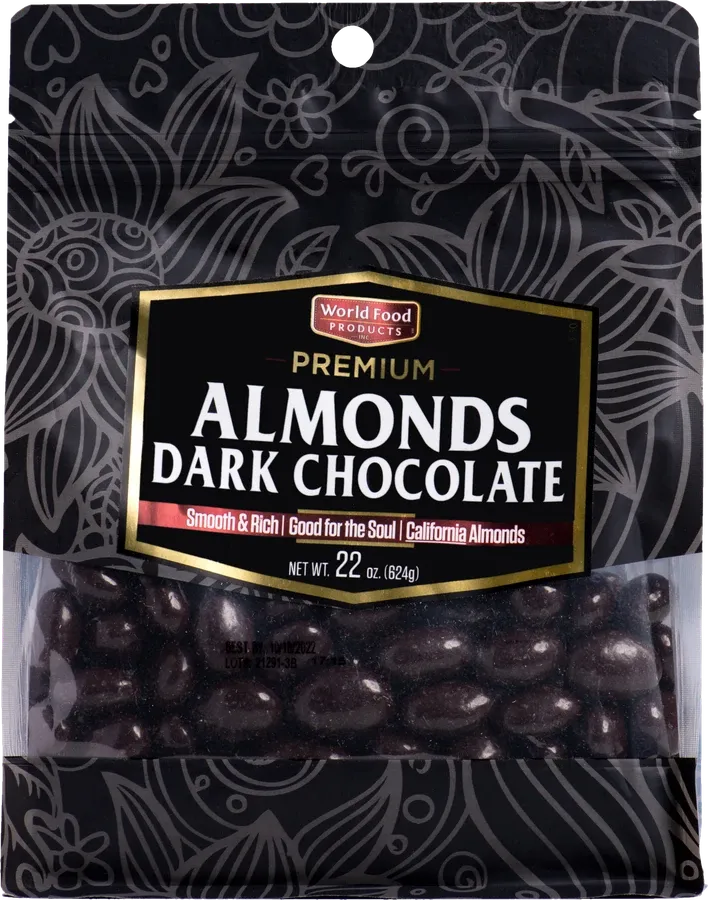
  2. A World Food Products Premium Almonds Dark Chocolate stand-up pouch

    02

    Spec

    Settle the pack: a stand-up pouch from 3 oz to 3 lb, a pillow bag from 1 oz to 5 lb, or club packs and cases for the shelf you sell to.

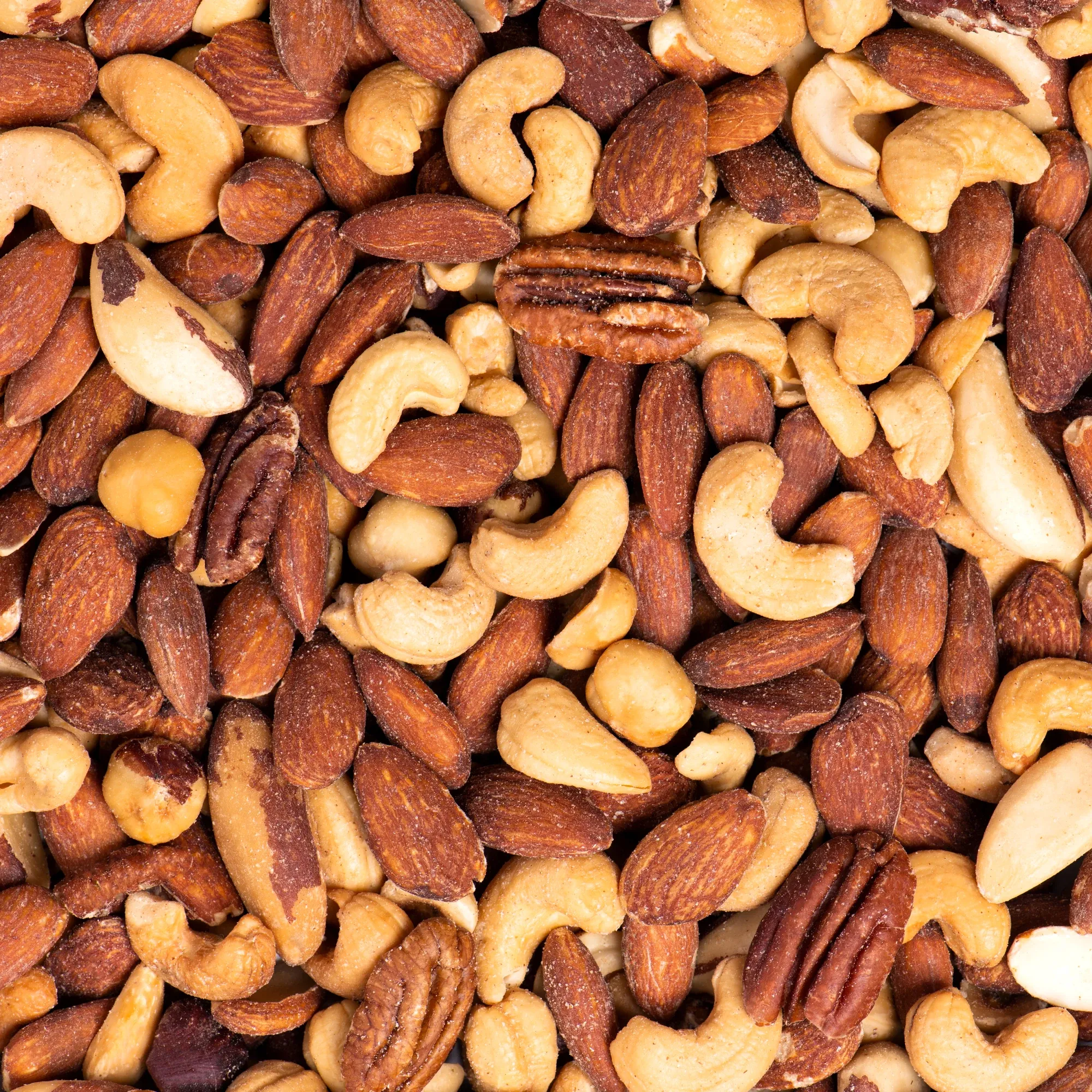
  3. Roasted mixed nuts: almonds, cashews, pecans and Brazil nuts, close up

    03

    Ingredients and pouches

    Supply your own product or have it sourced and seasoned here. You see a free render of your pouch, then a physical sample before full production.

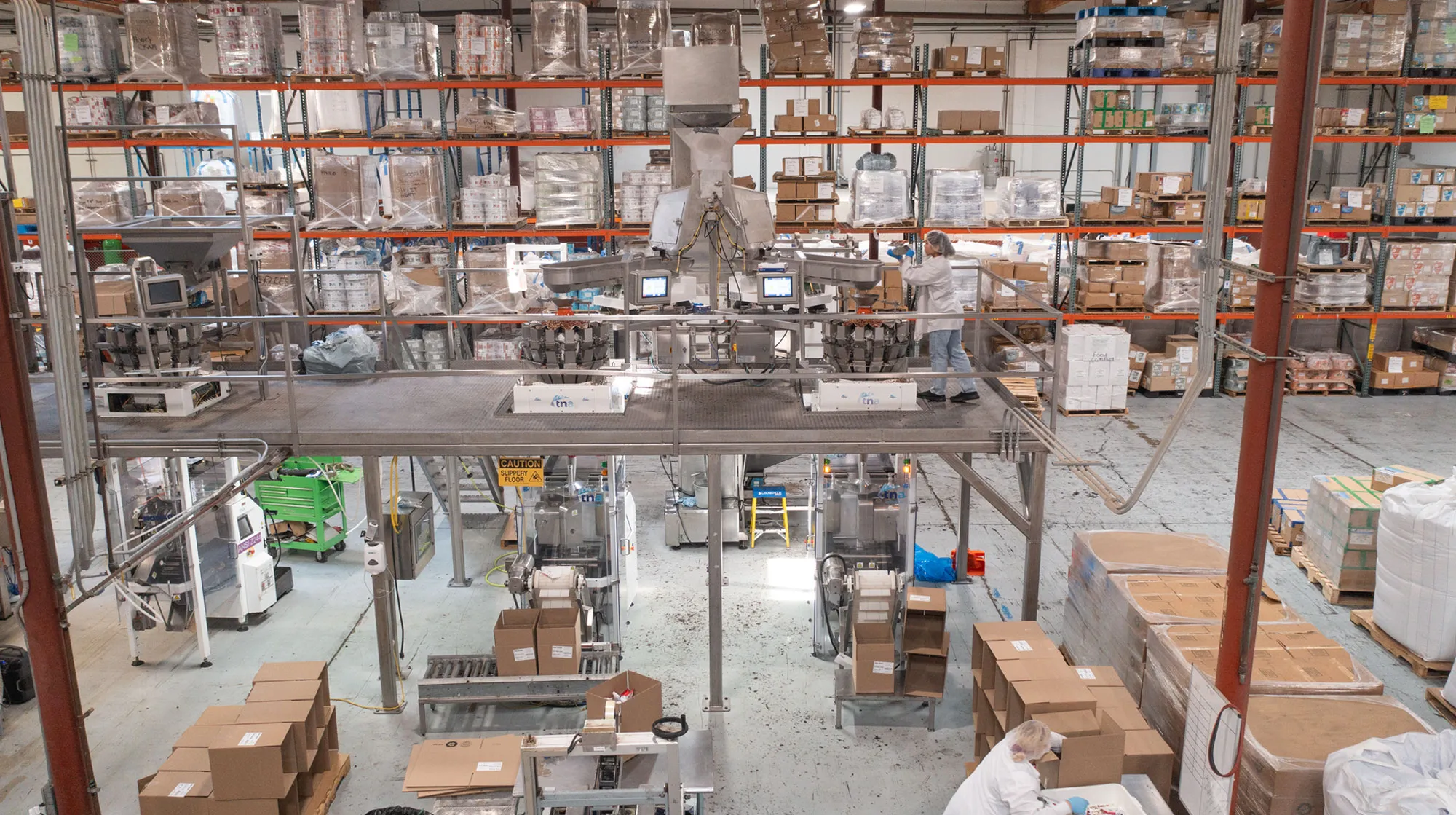
  4. Multihead weighers on a mezzanine above two baggers, with a line worker on the platform

    04

    Run

    Your product is weighed, filled and sealed on the line, in a peanut- and glass-free facility.

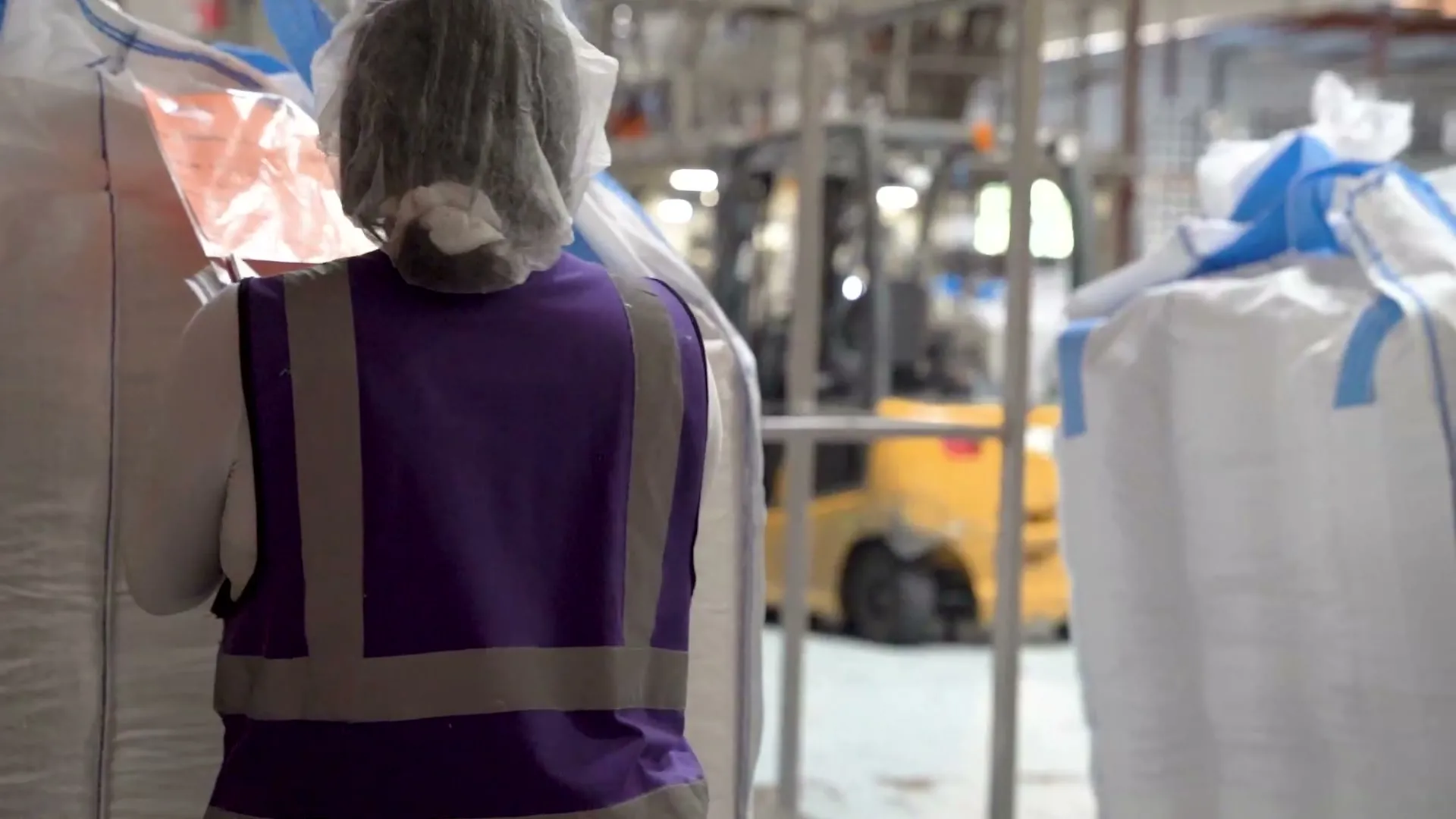
  5. A worker in a hairnet and safety vest checking super sacks

    05

    Quality

    Runs get attention to package seals, product-to-pack accuracy, lot coding and case labels, under a PrimusGFS-certified food safety program.

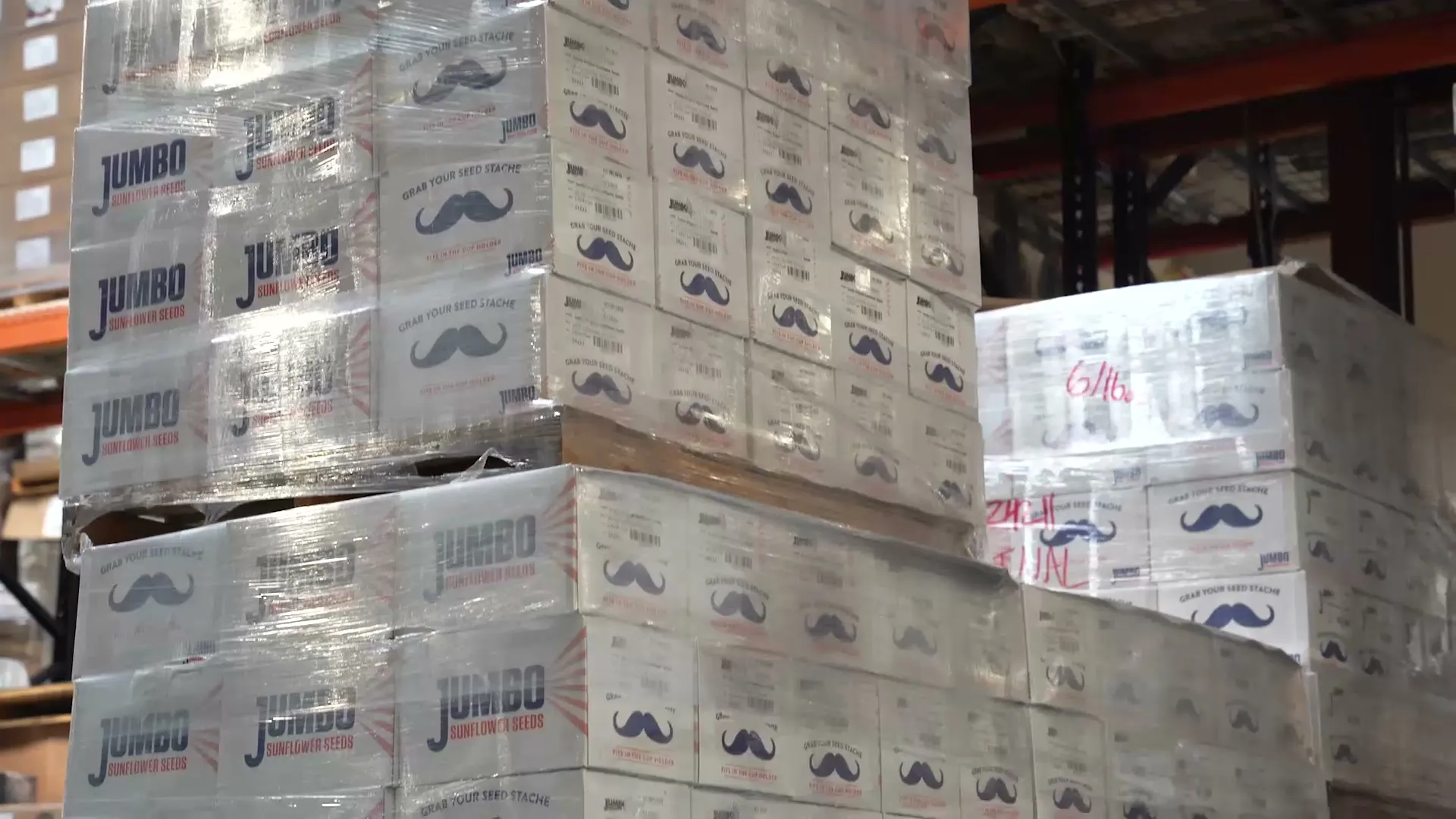
  6. Shrink-wrapped pallets of Jumbo Sunflower Seeds cases in the warehouse

    06

    Ship

    Cases are coded, sealed and palletized for domestic shipping or an overseas container, with inventory support for the next run.

Before a first run

What should I ask a co-packer first?

Ask which formats and sizes they run, the minimum order, the food safety certification, the allergen rules, who supplies packaging and the lead time. Performance Co-Packing’s short answers: stand-up pouches 3 oz to 3 lb, 40,000 bags, PrimusGFS and a peanut-free plant; ask the last two with your quote.

Can I see my pack before the run?

Yes. A free digital render comes at the quote stage, for planning rather than print, and a physical sample of your packaging comes before full production.

Request a free render

Do I have to send my own ingredients?

No. Send your own product to pack, or let PCP source it from 33 tree nuts, dried fruits and legumes and season or blend it to your recipe.

Build a mix

What are the pros and cons of co-packing?

A co-packer spares you building, staffing and certifying your own plant, and its audits come with it. The trade-offs are minimum orders, sharing a schedule with other brands and less hands-on control of the line.

Starting a snack or trail mix brand?

PCP’s minimum is 40,000 stand-up bags, which suits brands already selling in volume or launching into retail. Brands below that often start with a small-batch packer and move up.

Minimums and costs

Case study

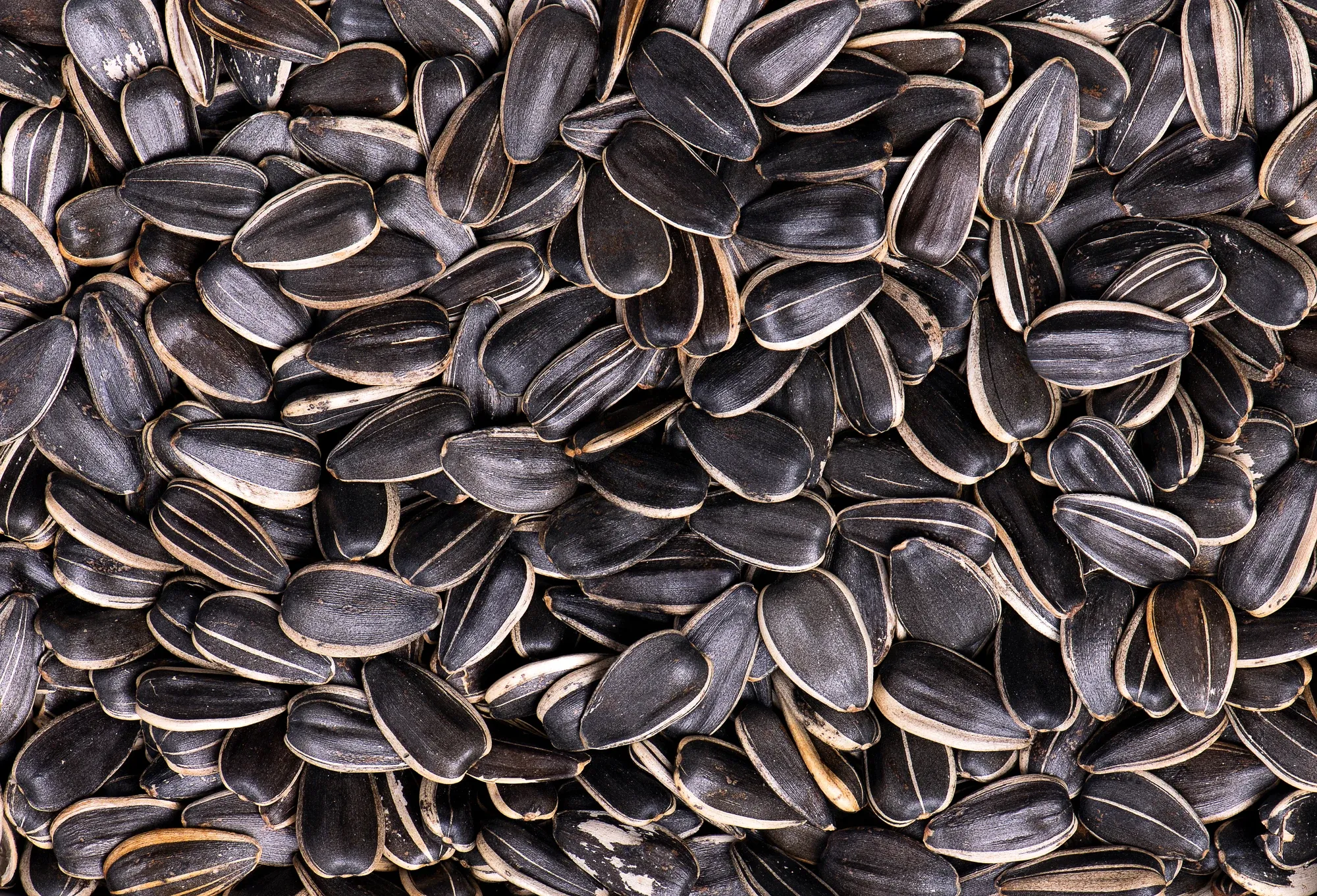
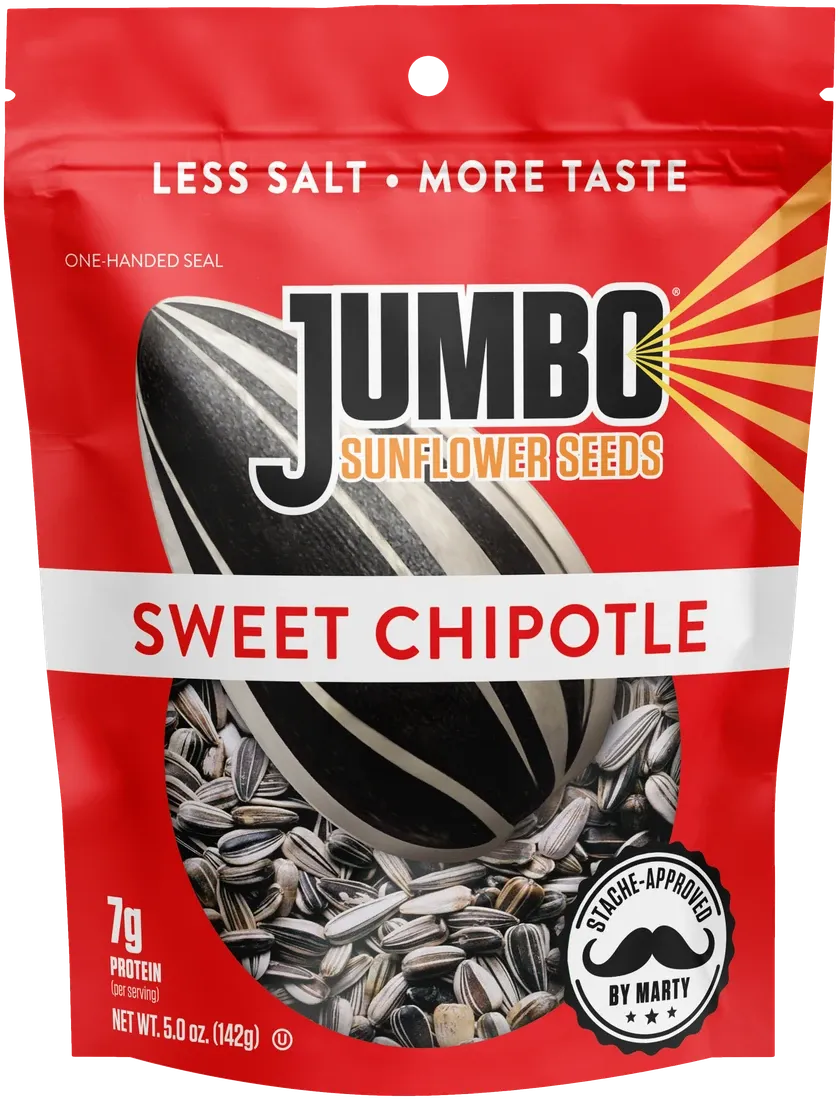
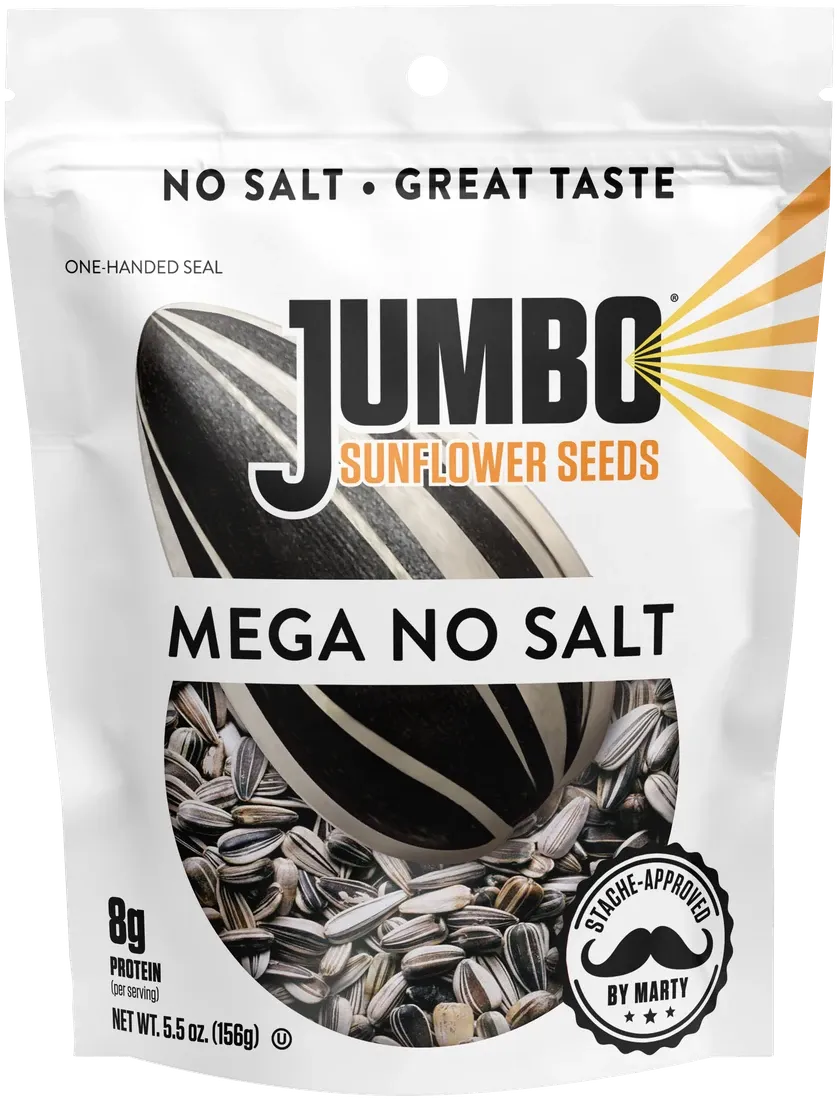
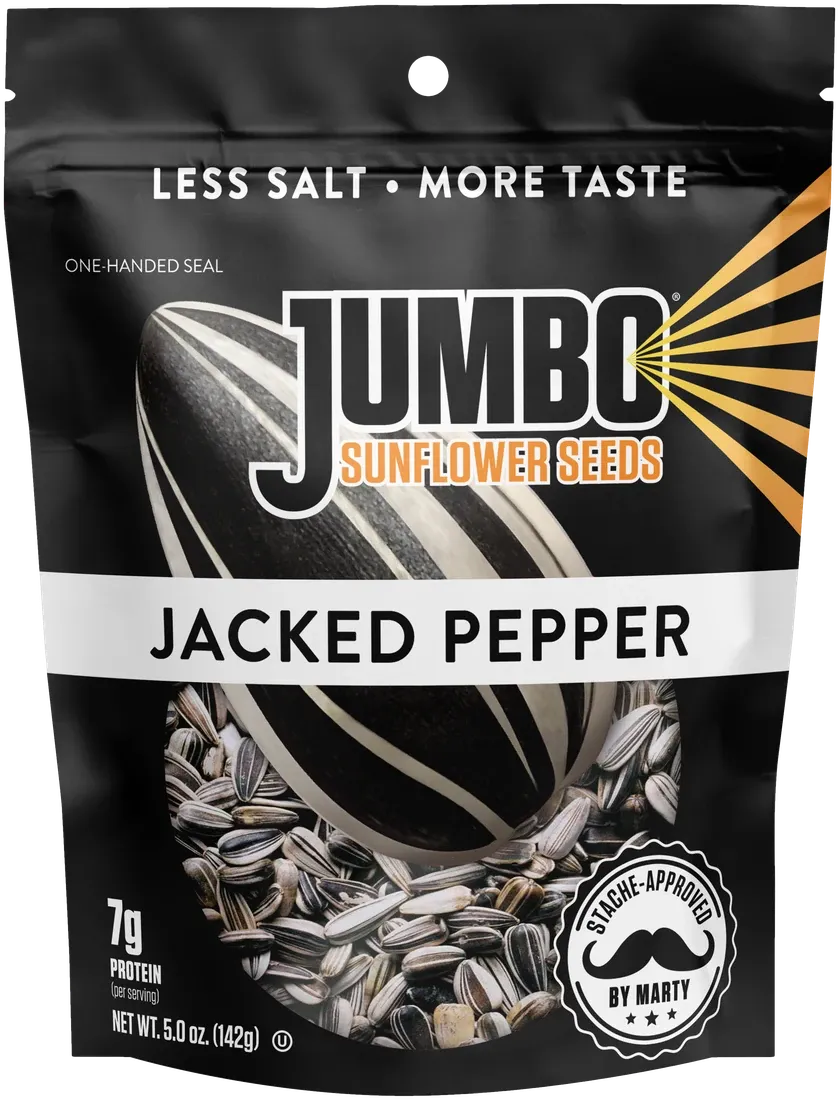
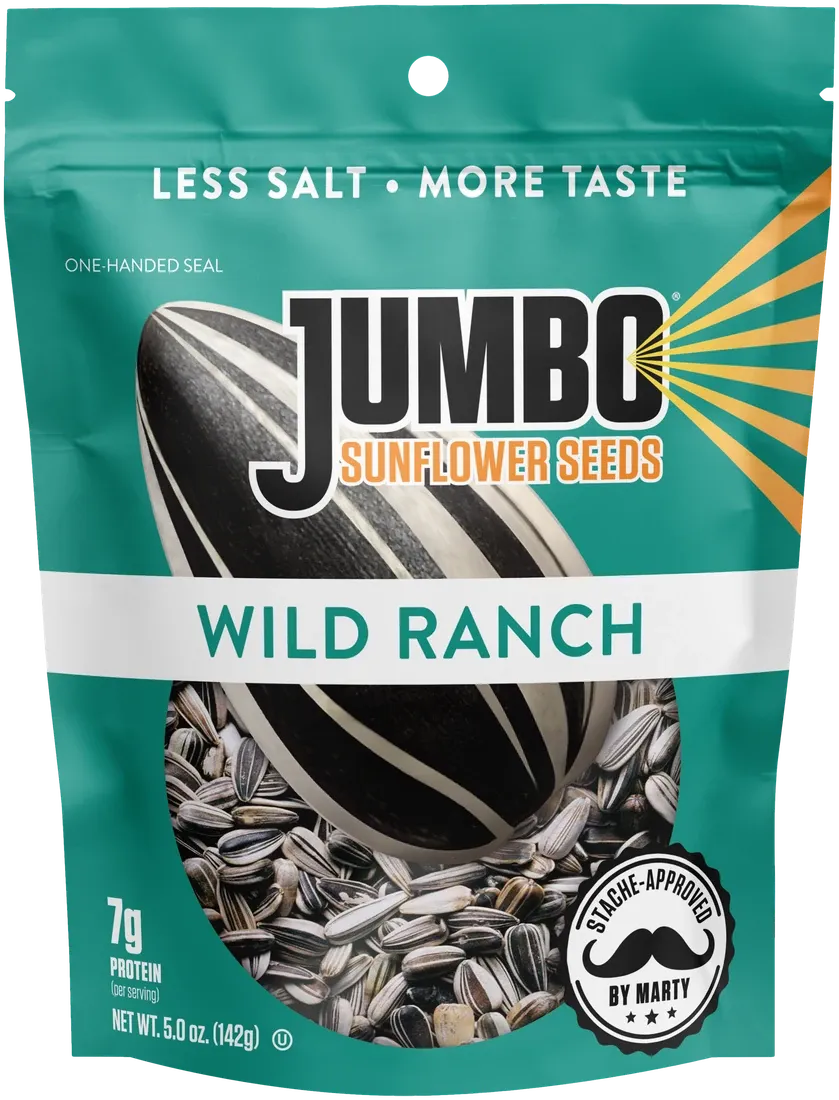
Jumbo Sunflower Seeds, packed here.

A sunflower seed brand since 1979, rebuilt by World Food Products in 2020 and packed on this floor.

See the Jumbo story
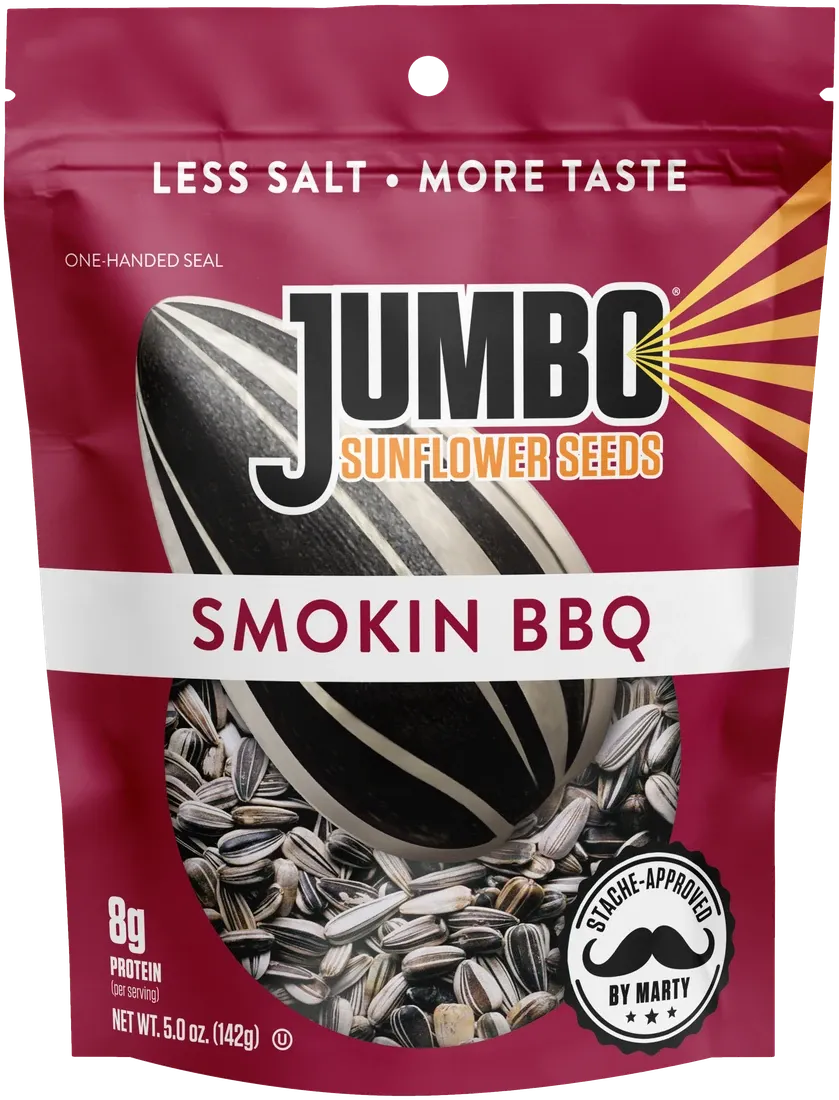
  • Jumbo Sunflower Seeds Smokin BBQ stand-up pouch
  • Jumbo Sunflower Seeds Sweet Chipotle stand-up pouch
  • Jumbo Sunflower Seeds Mega No Salt stand-up pouch
  • Jumbo Sunflower Seeds Jacked Pepper stand-up pouch
  • Jumbo Sunflower Seeds Wild Ranch stand-up pouch
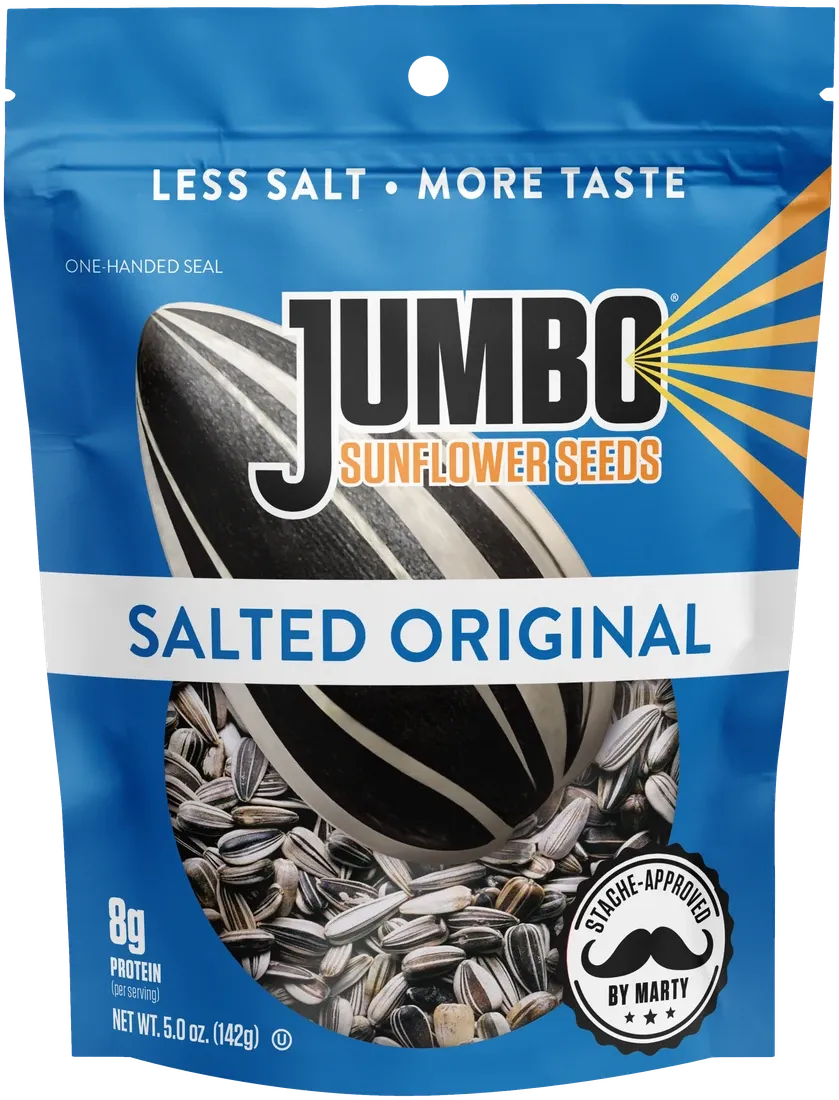
  • Jumbo Sunflower Seeds Salted Original stand-up pouch

Get a quote

Let’s build your next packing program.

Send your product, pack format, volume and target timing.